FAQs
What does PCOS mean?
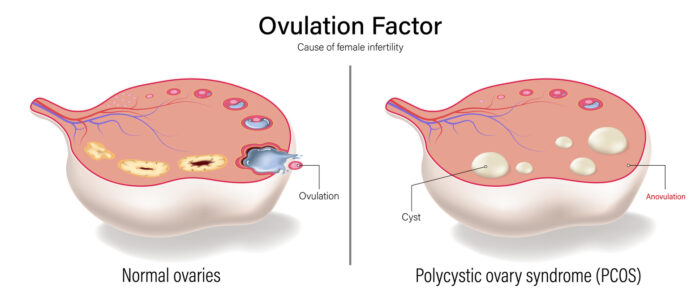
Polycystic ovary syndrome is a hormone-related condition that affects ovulation, your hormone levels, and how your body uses energy (metabolism).
Can you have PCOS and endometriosis?
Yes. They are different conditions, but it is possible to have both at the same time.
Can PCOS be cured?
No, there is no permanent cure – but the symptoms can be managed, and many people go on to conceive with the right treatment.
Is PCOS genetic?
Yes. It often runs in families, so your risk may be higher if a close relative has it. However, it is multifactorial—a mix of inherited susceptibility and biological factors that interact over time.
What does metformin do for PCOS?
Metformin helps your body use insulin better. This can lower androgen levels and sometimes help restart ovulation.
How do I know if I have PCOS?
If you have irregular periods, acne, facial hair, or your doctor sees polycystic ovaries on a scan, it is worth getting checked.
Can I get pregnant naturally with PCOS?
Yes. Many people with PCOS conceive naturally, especially by tracking ovulation and making small lifestyle changes.
Is PCOS dangerous?
PCOS is not life-threatening, but if left unmanaged, it can raise the risk of other health issues over time.
Does PCOS cause weight gain?
Yes. Hormone imbalances and insulin resistance can make it easier to gain weight, especially around the belly.
What is the difference between PCOS and PCOD?
PCOD (polycystic ovarian disease) is an older term sometimes used interchangeably with PCOS. PCOS (polycystic ovary syndrome) is now the more widely used and medically recognised term.
What triggers PCOS?
The exact cause is unknown, but PCOS is linked to a mix of genetics, insulin resistance, and hormone imbalances. Stress, diet, and lifestyle may also play a role in how symptoms show up.
Can PCOS go away?
PCOS is a lifelong condition, but many symptoms can improve with treatment and lifestyle changes. Some people find that symptoms ease with age or after pregnancy, but the underlying hormone imbalance usually remains.
Can you develop PCOS later in life?
Yes. Some people do not show symptoms until their 20s or 30s, especially if they gain weight or their hormone levels change.
Can you have PCOS and regular periods?
Yes. Not everyone with PCOS has irregular cycles. You can have regular periods and still have other signs of PCOS, such as high androgen levels or polycystic ovaries on a scan.
Does PCOS cause pain?
PCOS does not usually cause pelvic pain, but some people report discomfort around ovulation or with larger follicles. If you have frequent pain, it is worth checking for other conditions like endometriosis.
Can PCOS cause hair loss or acne?
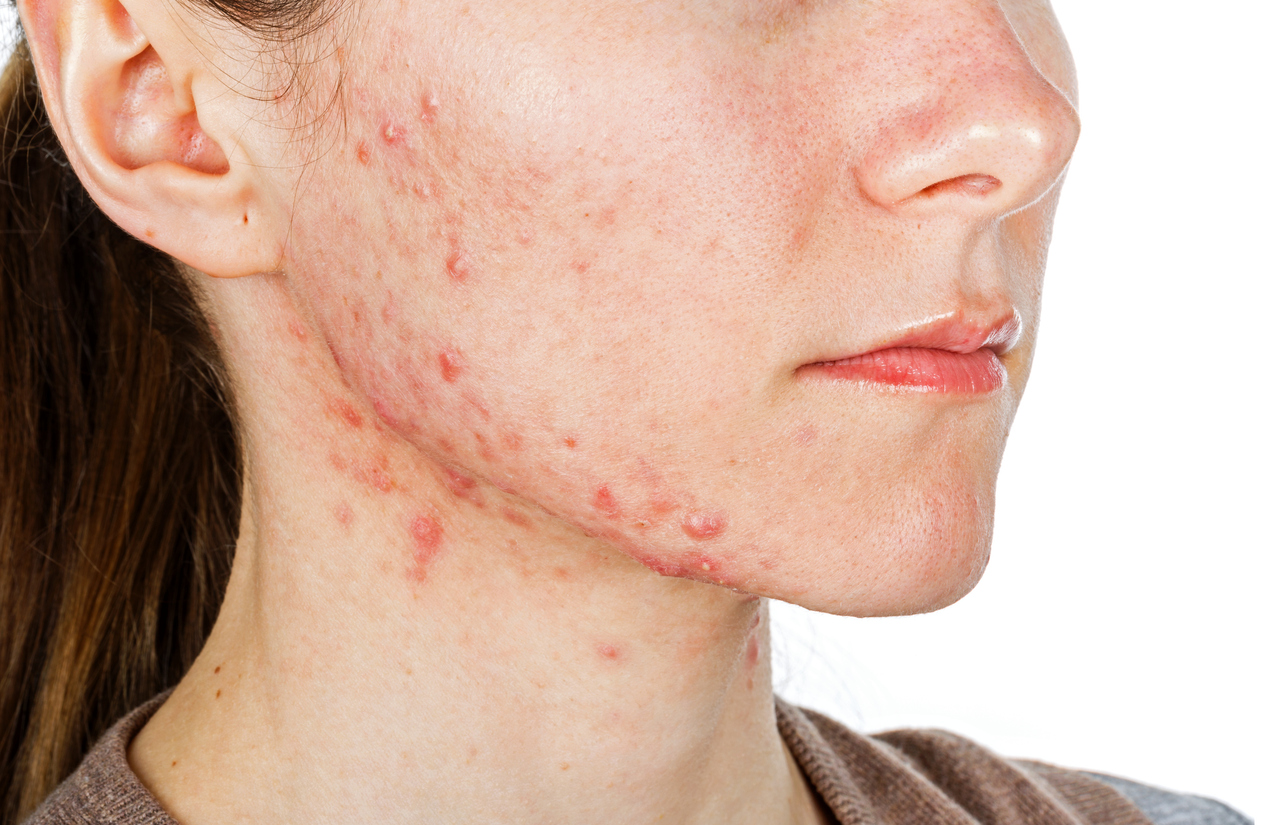
Yes. Higher levels of androgens can lead to hair thinning on the scalp and acne, especially on the face, chest, or back.
Why is it hard to lose weight with PCOS?
Insulin resistance and hormone imbalances can make it easier to gain weight and harder to lose it – especially around the stomach.
Can PCOS cause miscarriage?
Yes. PCOS is linked to a higher risk of early miscarriage, but with the right care and treatment, many people go on to have healthy pregnancies.
Is PCOS a disability?
PCOS is not usually classed as a disability, but it can have a big impact on day-to-day life. In some cases, people may qualify for support depending on how severe their symptoms are.
Is PCOS a chronic condition?
Yes. PCOS is considered a chronic (long-term) condition that needs ongoing management to prevent complications.
Can PCOS cause tiredness or fatigue?
Yes. Hormone imbalances, insulin resistance, poor sleep, or mood changes linked to PCOS can all contribute to feeling low on energy.
How is PCOS diagnosed?
Most people are diagnosed using the Rotterdam Criteria – this includes checking for irregular periods, signs of high androgens, and polycystic ovaries on a scan. Your doctor may refer you to a specialist or request blood tests and an ultrasound.