Explore our treatments

Understanding endometriosis and its impact on fertility

  • Guides
03 Aug 2025
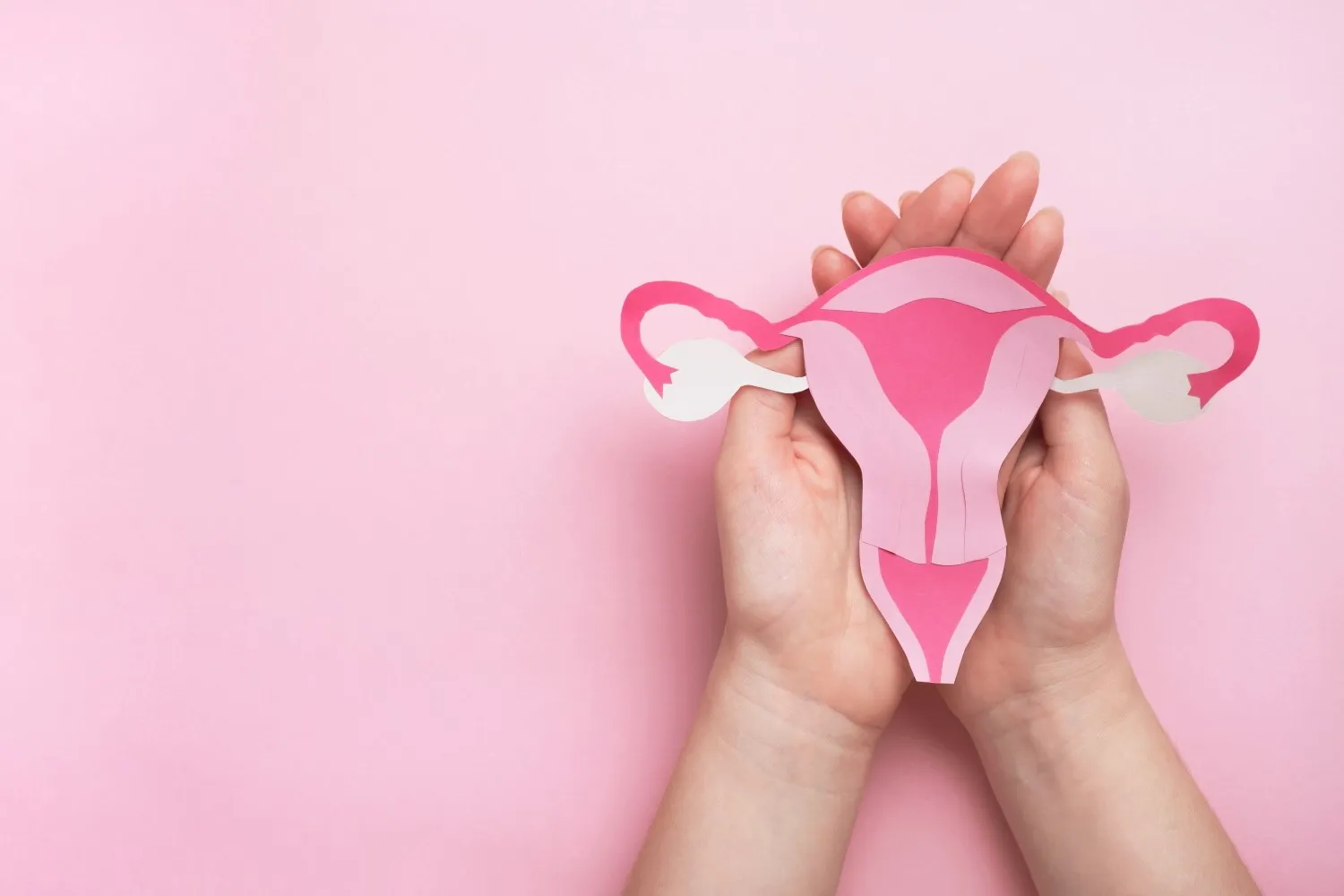
Hands holding a paper cut-out of a uterus on a pink background, representing endometriosis and its impact on female fertility.

What you need to know!

Endometriosis is a long-term condition that affects around 1 in 10 women during their reproductive years.

It is one of the most common causes of fertility problems, and yet many women wait years for a diagnosis.

At Procriar, we know how frustrating and painful this journey can be. That is why we are here to give you the facts in a clear, supportive way so you can take the next steps with confidence.

In this guide, we talk to Dr Joana Mesquita Guimarães, clinical director of Procriar, to:

  • explain what endometriosis is
  • how it affects your ability to get pregnant
  • and what fertility treatments can help

What is endometriosis?

Medical diagram of the female reproductive system showing areas affected by endometriosis, including the uterus, ovaries, and fallopian tubes.

Endometriosis happens when tissue similar to the lining of the uterus, called the endometrium, grows outside the uterus.

The endometrium is the tissue that builds up inside the uterus each month to prepare for a possible pregnancy. If pregnancy does not occur, this lining is shed during a period.

In women with endometriosis, endometrial-like tissue can grow on the ovaries, fallopian tubes, bowel, bladder or pelvic lining.

Dr Guimarães explains: “This tissue behaves like the endometrium by thickening, breaking down and bleeding with each cycle.


But because it has nowhere to go, it can cause inflammation, pain, scar tissue and sometimes cysts known as endometriomas.”

What causes endometriosis?

Doctors are still not entirely sure what causes endometriosis, but a few key theories may help explain it. It is likely that several factors work together, rather than a single cause.

  1. Retrograde menstruation
    This is one of the most widely accepted theories. Instead of flowing out of the body, menstrual blood travels backwards through the fallopian tubes and into the pelvic cavity. This can allow endometrial-like cells to stick to pelvic organs and grow.
  2. Genetics
    Endometriosis often runs in families. If your mother, sister, or grandmother had it, your risk of developing it may be higher. This suggests there may be a genetic link.
  3. Immune system issues
    In some women, the immune system may not recognise and remove endometrial-like tissue growing outside the uterus. This could allow the tissue to implant and spread.
  4. Cell transformation
    Certain cells in the pelvic area (like those lining the abdomen) may change into endometrial-like cells. This process could be triggered by hormones, inflammation, or other unknown factors.

According to Dr Guimarães:


“These theories help explain how endometriosis might begin, but more research is still needed to fully understand the condition.”

How endometriosis affects fertility

Endometriosis is a very important cause of infertility, affecting 10% of all women and up to half of women who struggle to conceive. It can:

  • create inflammation that affects egg and sperm interaction
  • damage the fallopian tubes or ovaries
  • cause scarring or adhesions that affect how your reproductive organs work
  • reduce egg quality, especially if endometriomas are present (this is a type of ovarian cyst formed when endometrial tissue grows in the ovaries)
  • make sex painful, which may lead to less frequent intercourse

But here is the good news: many women with endometriosis do go on to get pregnant. Some conceive naturally. Others need fertility treatment. With the right care and support, pregnancy is absolutely possible.

Endometriosis can affect fertility. A clinical evaluation can help reveal the best treatment options for your circumstances.

Common symptoms of endometriosis

Endometriosis can cause different symptoms for different people. Some of the most common include:

  • Painful periods, often starting before your period and lasting for several days into it
  • Pelvic pain between periods
  • Pain during or after sex
  • Pain when using the toilet, especially around your period
  • Bloating and a swollen feeling in your stomach
  • Tiredness and low energy
  • Heavy periods or irregular bleeding between periods
  • Trouble getting pregnant
  • Other digestive symptoms like diarrhoea, constipation, or feeling sick, often around your period

If you have several of these symptoms and have been trying to conceive, it is a good idea to talk to a specialist.

Woman sitting on a sofa holding her lower stomach with a pained expression, showing symptoms of endometriosis.

How is endometriosis diagnosed?

Getting a diagnosis for endometriosis can take time. One reason is that many of the symptoms, like stomach pain, bloating, or changes in bowel habits, are similar to other conditions like IBS (irritable bowel syndrome) or pelvic inflammatory disease. 

That is why it is important to trust what your body is telling you and speak up if something doesn’t feel right. 

Dr Guimarães says:

“if you think you might have endometriosis, don’t be afraid to push for tests or a referral. Getting a diagnosis early can help you manage symptoms and protect your fertility.”


Here is how doctors usually investigate:

A review of your medical history and symptoms
Your doctor will ask about your periods, pain levels, and any other symptoms you’ve noticed. They may also ask how long you’ve been experiencing them and how they affect your daily life.

A pelvic exam
This is a physical check where the doctor gently feels around your pelvic area to check for anything unusual, like cysts or tender spots.

Ultrasound or MRI
These scans use sound waves or magnets to take pictures of your reproductive organs. They can sometimes show signs of endometriosis, like ovarian cysts called endometriomas, but they do not always detect it.

Laparoscopy
This is a minor surgical procedure where a small camera is inserted through a tiny cut in your abdomen. It allows the doctor to look directly at the tissues and check for signs of endometriosis.

Laparoscopy is the only way to confirm endometriosis for sure. If the doctor finds endometriosis during the procedure, they may be able to treat or remove some of the tissue at the same time.

The four stages of endometriosis

Doctors classify endometriosis into four stages — from minimal to severe — based on:

  • where the tissue is growing
  • how deep it is, and 
  • how much scar tissue (adhesions) has formed. 

According to Dr Guimarães:

“These stages help doctors understand what is happening inside your body, but they do not always predict how bad your symptoms will be or how it might affect your fertility.”


Here is a breakdown of the four stages:

  • Stage I – Minimal
    There are a few small spots of endometrial tissue growing outside the uterus. These are usually shallow and may be found on the lining of the pelvis or around the ovaries.
  • Stage II – Mild
    There are more patches than in stage I, and some may be deeper. There might also be a few thin adhesions — bands of scar tissue that can cause organs to stick together.
  • Stage III – Moderate
    By this stage, the endometrial tissue is deeper and may include small cysts on the ovaries, called endometriomas. There may also be more scar tissue forming in the pelvic area.
  • Stage IV – Severe
    This is the most advanced stage. There are often large endometriomas, thick adhesions, and significant scarring. The tissue may also affect other organs, such as the bladder or bowel.

It is important to know that the stage of endometriosis does not always match up with how you feel or how easily you can get pregnant. 

Some people with stage I struggle to conceive, while others with stage IV have no problems at all. Everyone’s experience is different, so it is always best to talk to your doctor about your own situation.

Endometriosis treatments for fertility

Dr Guimarães says:

“If you have endometriosis and are trying to get pregnant, the right treatment will depend on your symptoms, your age, and how long you have been trying.”


Some people conceive naturally, while others may need a little help, and that is where a fertility clinic can make all the difference.

At Procriar, we look at the full picture. We take time to understand your history, your goals, and how endometriosis is affecting your fertility. Then we build a personalised plan to give you the best possible chance of having a baby.

Common options include:

Medication

Hormonal treatments (like the pill, patch, or injections to suppress oestrogen) can sometimes be used for a few months before starting fertility treatments. This can help to:

  • Calm down active endometriosis
  • Reduce inflammation in the pelvis
  • Shrink any lesions or cysts
  • Create a better environment for pregnancy

This approach is called pretreatment or “downregulation.”

For example:

  • Your doctor might recommend using birth control, a GnRH agonist, or a similar hormone therapy for one to three months.
  • After the pretreatment phase, you would stop the hormones and move into active fertility treatment — like ovulation induction, IUI, or embryo transfer (in IVF).

The goal is to “quiet” the endometriosis before trying to implant an embryo or conceive. After pretreatment, some people can conceive naturally, while others may still need surgery or fertility treatments to help.

Surgery

In some cases, a laparoscopy can help. This is a keyhole surgery used to remove or destroy endometrial tissue. It may relieve pain and, for some, improve the chances of natural conception, especially in mild to moderate cases.

Close-up of surgeons performing laparoscopic surgery, a keyhole procedure commonly used to diagnose and treat endometriosis.

Fertility treatments

When natural conception is not happening, we may suggest one of the following:

  • Ovulation induction: If you are not ovulating regularly, we can use medication to help your ovaries release eggs at the right time.
  • IUI (intrauterine insemination): This may be helpful in mild cases of endometriosis, especially if your fallopian tubes are clear and your partner’s sperm is healthy.
  • IVF (in vitro fertilisation): Often recommended in more advanced cases or when surgery has not helped. IVF bypasses many of the issues caused by endometriosis by fertilising the egg outside the body and placing the embryo directly into the uterus.

Common myths about endometriosis

Endometriosis is often misunderstood. That can lead to delays in diagnosis, frustration, and people not getting the help they need. Here are some common myths and the facts that set things straight.

“It’s just bad period pain.”

It is more than that. Period cramps are common, but endometriosis pain often goes beyond what is typical. It can start before your period, last for several days, and sometimes show up when you are not bleeding at all. Dr Guimarães says:

Endometriosis pain can affect your whole cycle — not just your period. It’s often deeper, longer-lasting, and more disruptive.


Many women are told from a young age that period pain is just part of being a woman. That message is so common, it can make people doubt their own symptoms. But the truth is: pain that disrupts your life is not normal.

If your period pain stops you from working, studying, sleeping, or doing everyday things, it could be a sign of something more. Endometriosis is a condition where tissue similar to the lining of your uterus grows in places it should not — like your ovaries, bowel, or pelvic walls. This can cause inflammation, scarring, and severe pain. It has been estimated that between 50% and 80% of women with pelvic pain have endometriosis. Dr Guimarães says:

Sever pelvic pain is not a normal part of a woman’s cycle!


“Only older women get it.”

That is not true. Endometriosis can affect people in their teens and twenties, even those who have just started their periods. It is often missed in younger people because they are told what they are feeling is normal.

“If tests come back clear, it must not be endometriosis.”

Endometriosis can be tricky to spot. It often does not show up on scans or blood tests. The only way to confirm it is through a laparoscopy — a small surgical procedure that lets doctors look inside your abdomen. Dr Guimarães says:

Symptoms are what guides us. Just because imaging looks normal does not mean nothing is wrong.


“Women with endometriosis cannot get pregnant.”

Some people do struggle to conceive, but many go on to have healthy pregnancies, with or without treatment. Managing the condition early can help improve your chances later.

“You will need surgery over and over again.”

Surgery is not always needed  and repeating it regularly is not a long-term solution. Many people find relief through hormone-based treatment or other non-surgical approaches. Dr Guimarães says:

We use surgery when it makes sense, but it is not the only tool. Often, we manage symptoms with medication that reduces estrogen, which fuels the growth of endometriosis tissue.


“It will keep getting worse if you don’t treat it.”

Endometriosis does not always follow a set pattern. Some people have severe pain and very little tissue growth. Others have lots of endometriosis but few symptoms. If it is not affecting your quality of life or fertility, you might not need treatment right away.

Bottom line:
If you are in pain, struggling with your period, or feeling dismissed — speak up. You do not have to figure it out alone. The first step is knowing that what you are feeling is valid.

Endometriosis FAQs

Can pregnancy improve endometriosis?

Some women notice their symptoms ease during pregnancy. This is likely due to hormonal changes, especially the rise in progesterone. But it is important to know that this relief is usually temporary — symptoms often return after giving birth or when your periods resume.

How can I manage endometriosis while trying to conceive?

A combined approach often works best. This might include:

  • Surgery to remove or reduce endometrial tissue
  • Fertility treatments like IVF or ovulation induction

Even small lifestyle changes , like staying active, managing stress, and eating anti-inflammatory foods, can help your body feel more balanced and support your fertility journey.

Is endometriosis genetic?

Endometriosis is not considered purely genetic, but research suggests that it tends to run in families. If your mother, sister, or other close relatives have it, your risk may be higher – apparently, genetics do play a role in the risk of developing it.

Here’s what is currently known:

  • Family risk – Studies have shown that women with a first-degree relative (mother, sister, daughter) with endometriosis are more likely to develop it themselves, sometimes with a 6–10 times higher risk than the general population.
  • Multiple genes involved – No single “endometriosis gene” has been identified. Instead, it seems to be a polygenic disease, meaning that variations in several genes related to inflammation, immune function, and hormone regulation may contribute.
  • Environmental and hormonal factors – Genetics likely interact with non-genetic factors such as retrograde menstruation, immune response, exposure to certain chemicals, and hormonal balance.
  • Not inevitable – Having a family history increases risk, but many women with a genetic predisposition never develop the disease.

Is endometriosis an autoimmune condition?

Not officially. Endometriosis is not classified as an autoimmune disease, but many researchers believe the immune system plays a role in how the condition develops and behaves.

Does giving birth cure endometriosis?

No. Some women feel better for a while after childbirth, but endometriosis usually comes back once periods return. If symptoms continue or get worse, you may still need treatment after your family is complete.

Are there foods that can help with endometriosis symptoms?

Food will not cure endometriosis, but some women find that changing their diet makes symptoms easier to manage. You could try:

  • Add more: Leafy greens, oily fish, whole grains, berries, nuts
  • Reduce: Red meat, processed foods, alcohol, caffeine

Drinking plenty of water and moving your body regularly can also support overall wellbeing and fertility.

Is endometriosis a disability?

In some countries, severe endometriosis may be recognised as a disability, especially if it affects your ability to work or live without pain. If your symptoms are affecting your daily life, speak to your doctor and explore your rights.

Can endometriosis cause cancer?

Endometriosis itself is not cancer, and it rarely leads to cancer. In very rare cases, people with endometriosis may develop certain types of ovarian cancer, but the overall risk is low.

What does endometriosis feel like?

Endometriosis pain can vary from woman to woman. Some describe it as a sharp, stabbing pain; others feel a deep ache in their lower back, pelvis, or stomach. The pain might come with your period, during sex, when using the toilet, or at any time in your cycle. For some, it is constant and exhausting. For others, it comes and goes.

Can endometriosis go away?

Endometriosis does not usually go away on its own. Symptoms may ease during pregnancy or menopause, but the condition itself is long-term and often needs treatment. With the right support, though, it can be managed and many women live full, active lives with it.


When to talk to a fertility clinic

If you are trying to get pregnant and have symptoms of endometriosis, like painful periods, pelvic pain, or known cysts, do not wait. You do not need to try for 6 or 12 months before seeking help.

According to Dr Guimarães, if you have endometriosis symptoms and want to get pregnant, it’s best to speak to a fertility specialist as early as possible. You don’t need to wait a full year.

Getting support early can protect your fertility and improve your chances.


At Procriar, we offer expert guidance, diagnostic tools, and compassionate care. Whether you need surgery, IVF, or a personalised plan, we are here for you.

Contact us to take the next step. We are ready to support you.